


THE SERVICE JOURNAL / LIFE AT HOME
An alarm system that fits life at home.
Leaving for the day and turning in for the night call for different alarm settings. So do a house with pets, regular visitors or a side door everyone uses. Premium Audio And Video helps you think through those everyday details, with controls you can understand and sensors suited to your home. You should also know what happens after an alert, including which services and subscriptions are separate from the equipment.
What this means for your home
- Your daily routines help shape the sensor and control choices.
- Understand how to arm the house when you leave and when you stay.
- Discuss monitoring and subscriptions separately from the equipment.
Start with the way your household lives
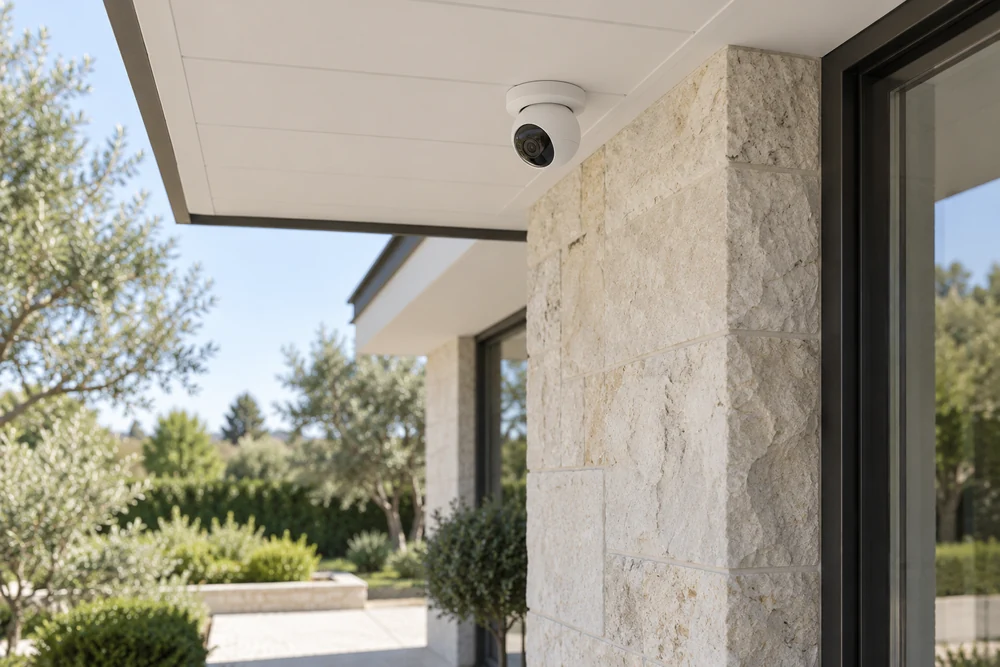
The best starting point is a walk through your normal day. Which door do you use with groceries? Does anyone move between rooms at night? Where do pets spend their time? These details help shape an alarm system that accommodates familiar routines and makes sense to the people using it.
Different sensors answer different questions. A door contact detects an opening; a motion detector notices movement in its coverage area. Glass-break detectors have another role. Premium can explain which types fit your entrances and rooms, including how occupied spaces and pets affect the choices.
If you already have an alarm, an upgrade may be able to keep some existing equipment. That depends on its condition and compatibility with the new panel. Smoke, other life-safety and environmental devices also need their own discussion, so you know which are included and who is responsible for their service.
An existing alarm can also give you a helpful starting point for the conversation. Perhaps you avoid using it because the controls are confusing, a particular sensor causes frustration or the usual entry route no longer suits your routine. Describe those experiences alongside any changes to the house. A new panel may improve how you interact with the system, while different concerns may call for changes to the sensors or their placement. Premium helps explain the difference before you decide how much to replace.
Make everyday controls feel familiar
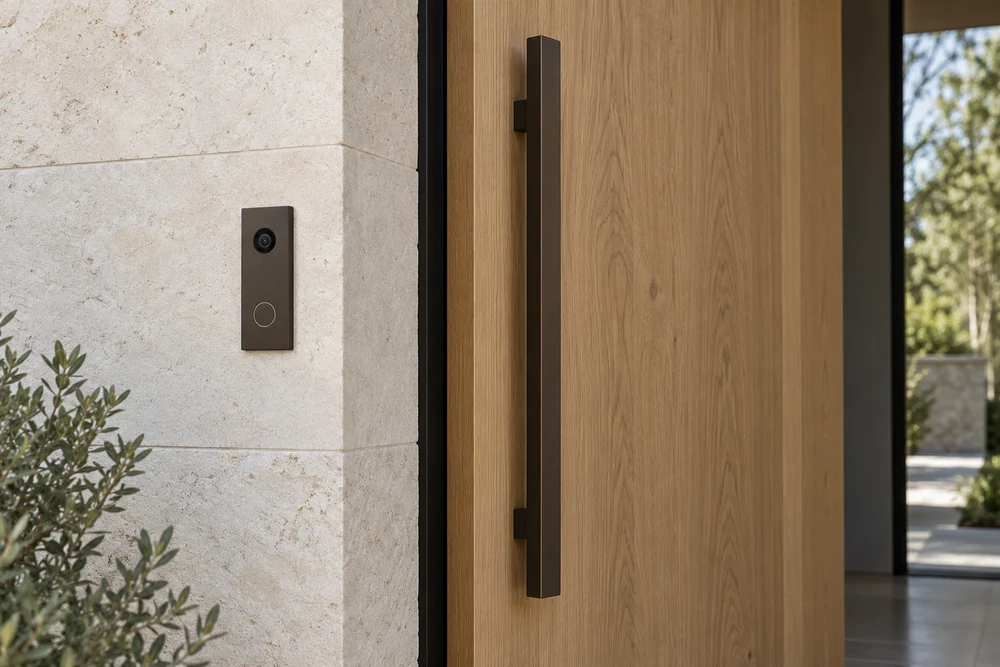
You should be able to tell whether the house is armed and understand a message about an open door. Familiar names such as “Kitchen Door” are more helpful than unexplained numbers. Premium helps bring those everyday details into the control experience, from where the keypad sits to the settings you use at bedtime.
Suitable systems offer different arming modes for leaving home and staying inside. Individual codes, where supported, can make access easier to manage for household members and people who regularly visit. Temporary access should be straightforward to remove when it is no longer needed.
With a compatible alarm system, Control4 can put selected alarm functions alongside your other home controls. The main alarm panel still has its own role. Premium explains which functions are available from each interface and how you can use the primary controls if the smart-home connection is unavailable.
Consider where you naturally pause during the day: by the door as you leave, at the kitchen counter when you arrive or upstairs before bed. Those habits help determine where alarm status and controls will be most useful. Some households prefer a familiar keypad, while others also want selected functions in their wider home-control interface. You do not have to use every available feature. A small set of clearly understood functions can make the system easier for the whole household to use consistently.
Know what follows an alarm

A siren sounding at home, a message on your phone and a professional monitoring service are different parts of the picture. Decide which you want and understand how they work together. Phone alerts can keep you informed, but they do not by themselves arrange an emergency response.
Professional monitoring is a separate service arrangement. Its provider, contact procedure, recurring fees and agreement should be clear. App features and communication options may also depend on the chosen equipment and subscription. No alarm or monitoring arrangement can guarantee protection or emergency response.
Power and internet interruptions are worth discussing before they happen. Backup power and alternate communication options vary, so your proposal should explain the limits of the selected system. You should also know whom to contact for support, what to do after an accidental alarm and how to keep the monitoring provider’s household contact details current.
When comparing options, consider the ongoing cost as well as the equipment price. Two proposals can feel similar at first while including different communication services, app access or monitoring terms. Ask what continues to work if a subscription ends and whether any cancellation charges apply. If you already have a monitoring agreement, its current terms are part of that decision. Understanding those commitments early makes it easier to choose a setup you are comfortable maintaining, rather than discovering a separate requirement after installation.
CHOOSING THE RIGHT FIT
Options for your home.
- 2GIG
- Alarm panels, keypads and compatible sensors for everyday arming, status checks and detection.
- Control4
- Selected alarm controls and status within your smart-home interface when the alarm system is compatible.
We confirm equipment and compatibility as part of your project design.
Product details
Specifications and options from the manufacturers.