THE SERVICE JOURNAL / LIFE AT HOME
Plan the light around the way you use the room.
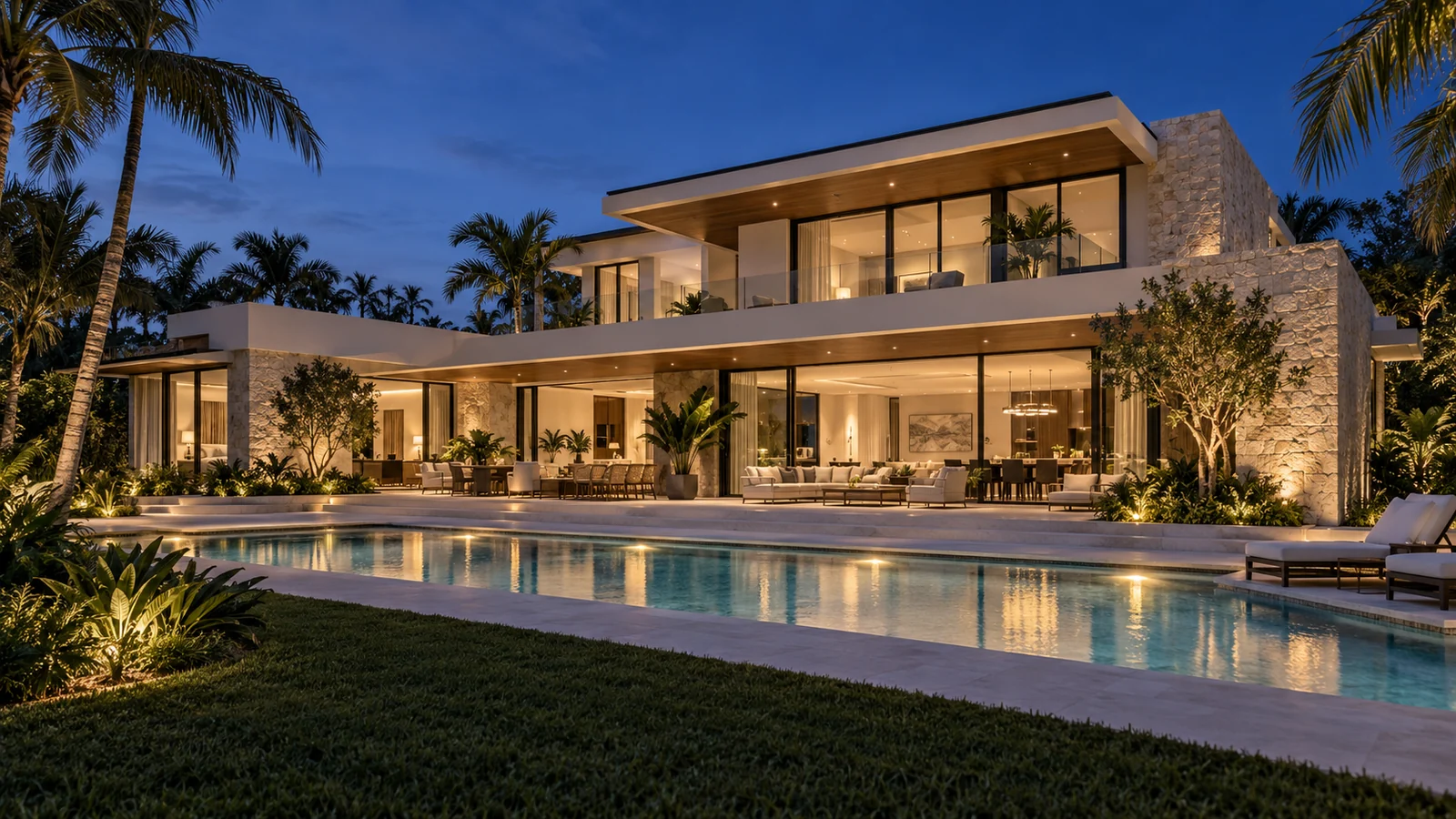
A room changes from morning to evening even when the furniture stays exactly where it is. Sunlight moves across a desk, lamps become part of the atmosphere and windows that offered a view may need privacy after dark. Considering electric lighting and shades together helps you shape those changes. Premium Audio And Video brings the controls and window treatments into the same conversation as the room’s layout, finishes and everyday use.
What this means for your home
- Plan electric light and daylight around where you sit, work and gather.
- Treat views, glare, nighttime privacy and room darkening as separate needs.
- Choose controls and shade details alongside the interiors and project stage.
Look at the room through a full day
Start with the places where you sit, work and gather. A kitchen counter needs a different quality of light from the dining table beside it. A chair used for reading may need its own light even when the rest of the room is dim. In an open space, those areas should feel related without always sharing the same brightness.
Daylight introduces another set of choices. Notice when direct sun reaches a screen, where glare interrupts a view and which windows face a neighboring property. A room that feels comfortable at breakfast may need a different shade position by late afternoon.
Premium can help turn those observations into a room-by-room plan. The aim is to understand what should change throughout the day and what should remain available independently, before choosing the controls or treatments that make it possible.
Give electric light a clear role
General light helps you move around a room. More focused light supports cooking, reading or working. Decorative and accent lighting can draw attention to a table, artwork or architectural detail. Thinking in these layers makes it easier to describe the atmosphere you want without choosing every fixture at once.
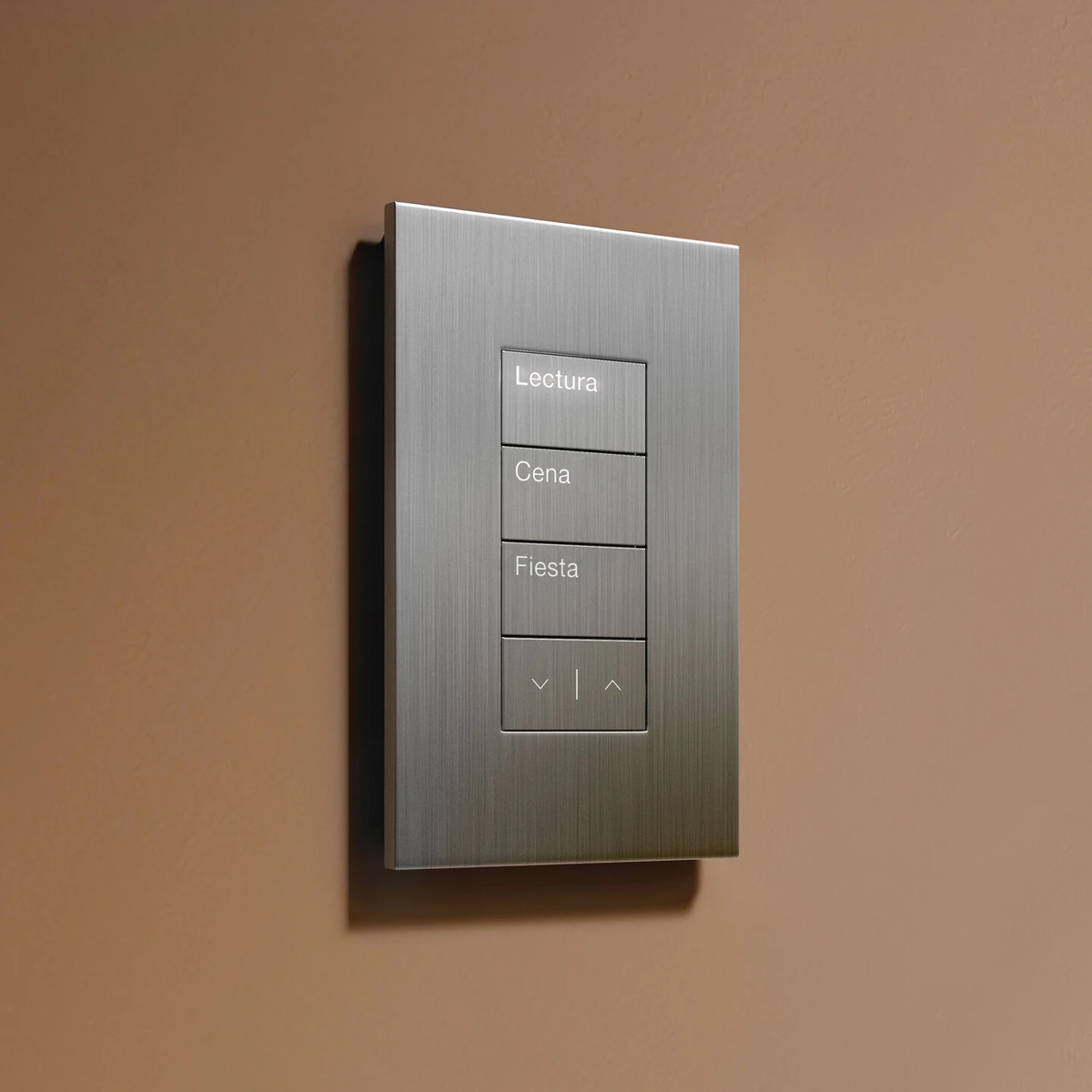
Control determines how easily those layers change together. A dinner setting might soften the surrounding lights while keeping the table inviting. A brighter setting can make the same room practical for clearing up. You can still adjust an individual light when one person needs more brightness.
If you are keeping existing fixtures, their suitability for the proposed dimming controls needs to be checked. Premium helps connect the look of the lighting with the way it will operate. The lighting-control guide explores scenes, wall controls and options for both finished rooms and larger renovations.
Explore lighting controlDecide what you need from each window
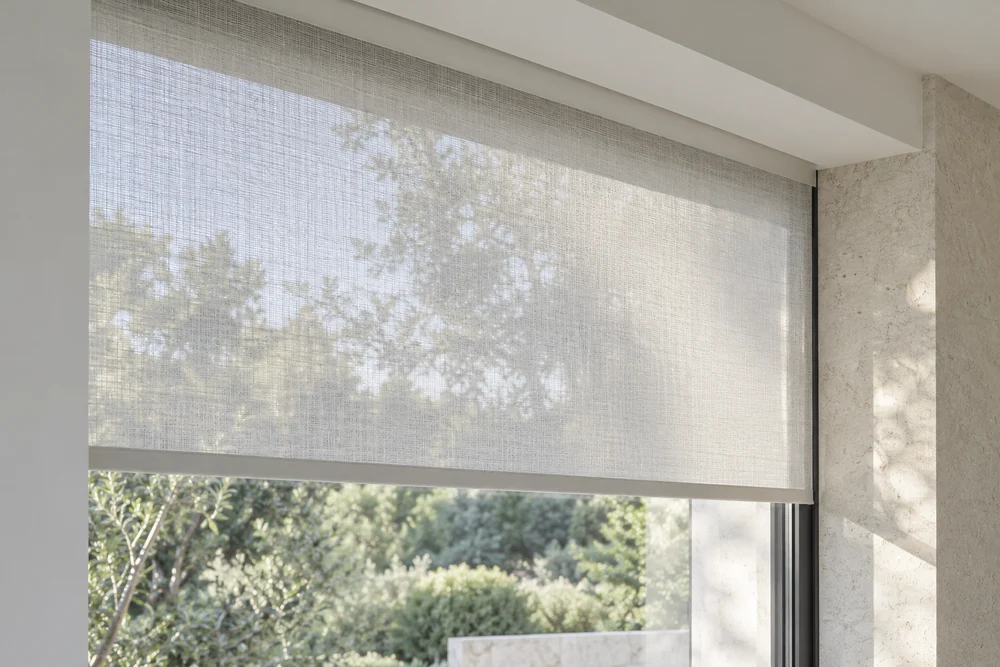
An open view, softened daylight, evening privacy and a darker bedroom are different goals. One treatment may not satisfy all of them equally. A living room overlooking a garden can call for a different choice from a bedroom facing the street, even when the windows share the same architectural style.
Consider daytime and nighttime separately. A fabric that feels private with bright light outside may allow more visibility into the room after dark. Room-darkening fabric also needs to be considered with its fit, because light can enter around the edges. Samples and the actual window setting help make those tradeoffs tangible.
Motorization changes how conveniently you adjust the treatment; fabric and fit determine much of the light and privacy it provides. Premium helps you consider both, including whether one layer is enough or whether separate daytime and nighttime treatments better suit the room.
Explore automated shadesMake the details feel part of the interior
The controls and shade finishes belong in the same visual conversation as the rest of the room. Bring the furniture layout, curtain ideas and finish preferences into planning. A beautifully placed keypad is most useful when it is also within natural reach, and a discreet shade still needs room to operate around trim and door hardware.
Early planning offers more opportunities to conceal equipment and coordinate power. In an existing room, the right approach depends on the available space and how much disruption you are comfortable with. Power choices can also affect later maintenance, especially for shades at hard-to-reach windows.
Premium can work through these choices with your design team. Agree on the visible details and the daily behavior together: which windows move as a group, where separate control matters and whether a schedule or a simple button better fits each space.